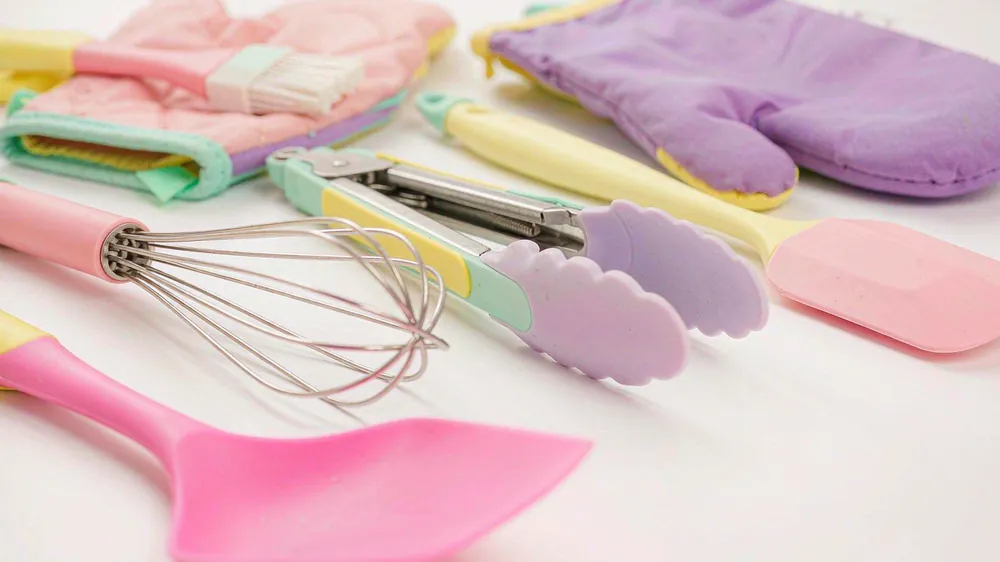
Silicone utensils sell on two promises: they won’t scratch non-stick pans, and they won’t melt. Both depend on the compound and the core. This guide covers the heat-resistance range, the FDA-vs-LFGB question, and why the handle core matters as much as the silicone.
What Temperature Can Silicone Utensils Actually Take?
Food-grade silicone is typically stable from about -40°C to 230°C (-40°F to 446°F). That comfortably covers boiling, frying and baking, but it is a continuous-use range — a utensil left directly against a burner will still scorch. Specify the temperature claim on your packaging from the compound’s datasheet, not from marketing.
FDA vs LFGB: Which Do You Need?
FDA 21 CFR 177.2600 covers the US market; LFGB is the stricter EU standard with lower extractables limits. If you sell in both regions, certify to LFGB and you’ll cover both. For utensils, the relevant tests are overall migration and specific heavy-metal limits — ask for both on the finished part. See our FDA vs LFGB comparison for the full detail.
The Core Is Half the Product
Most silicone spatulas and turners are overmolded onto a steel core (or a nylon core for flexible tools). The core gives the utensil stiffness and keeps it from drooping in hot food. Two points to specify: the core must be fully encapsulated so no steel is exposed at the seam, and the bond between silicone and core must be mechanical — a textured or notched core — so the silicone never twists free.
| Spec | Typical | Why it matters |
|---|---|---|
| Temperature range | -40°C to 230°C | Covers frying and baking |
| Compliance | LFGB (covers FDA) | EU is the stricter standard |
| Core | Steel or nylon | Stiffness and heat transfer |
| Encapsulation | Full, seamless | No exposed metal, no water ingress |
| MOQ | from 500 pcs | Per SKU, colour-dependent |
Dishwasher, Colour and Finish
Food-grade silicone is dishwasher-safe, but bright colours fade faster in aggressive detergents. Specify food-contact pigments and a matte finish to keep utensils looking new longer. If you brand the handle, in-mold debossing is permanent and cleanable, unlike a printed logo that wears off.
Certify the finished utensil, not the raw compound — the migration and heavy-metal limits apply to the molded part in its final colour.
For the full capability, see silicone kitchenware manufacturing, or request a utensil quote.
More kitchen tools in Our Catalog
Beyond the products above, we mold these kitchen tools types for brands — add any to your quote or request a sample.
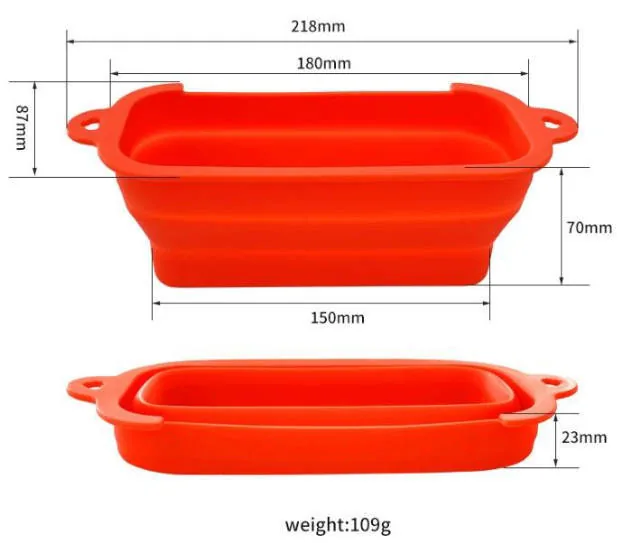
Silicone Tools for BBQ Griddle
Spatulas, tongs and scrapers for direct griddle heat.
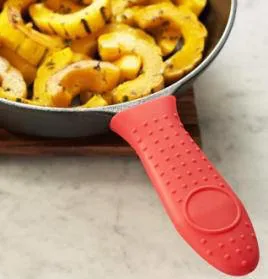
Silicone Dry Tool & Pot Handle Sleeve
Insulating sleeves that protect hands from hot pot handles.
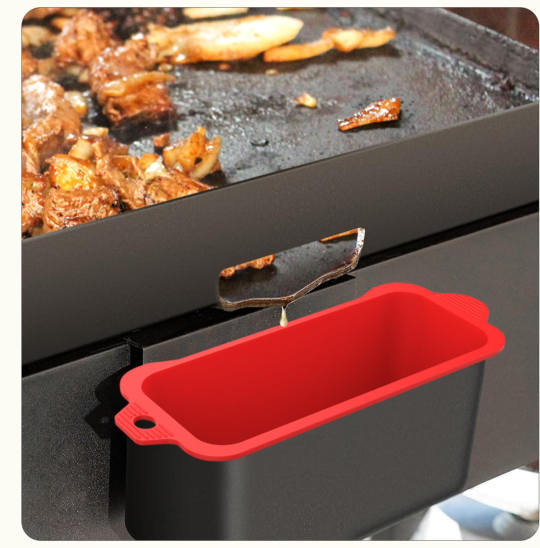
Silicone Griddle Grease Catcher Cup
A slide-on cup that catches drips from griddle and grill grease spouts.
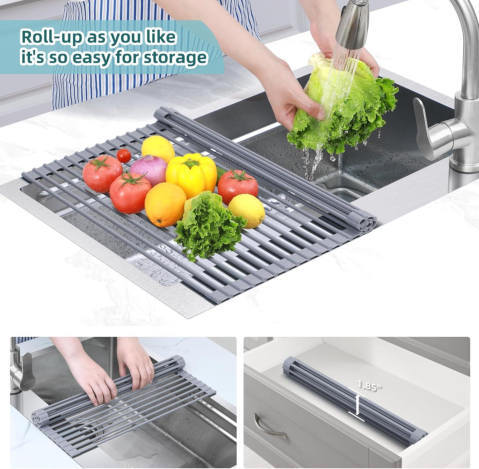
Roll-Up Silicone Dish Drying Rack
A rollable rack that drains over the sink and rolls up for storage.
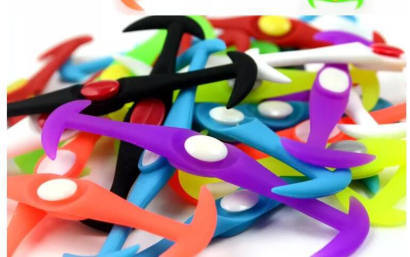
Silicone Heat-Resistant Dish Gripper
A pinching grip that lifts hot bowls and plates out of the microwave or oven.
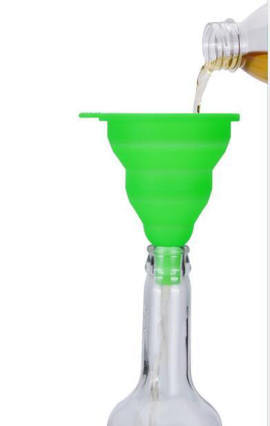
Collapsible Silicone Funnel
A fold-flat funnel for cleanly transferring liquids into narrow bottles.
Browse the full range on our oven mitts & heat-resistant gloves page, or request a quote.
About the author
DENG FENGYUN · Measurement Engineer, CYES SILICONE. Sixteen years in silicone testing, FDA / LFGB / RoHS compliance and quality systems — from CMM and video measuring programs to extractables and biocompatibility test plans. Notes written from the shop floor, not from a content calendar.