±0.02 mm
Critical-dimension tolerance held on the finished diaphragm seal.
This page contains two kinds of content, kept clearly separate: one documented engineering case backed by an internal capability study with measured data, and a set of representative engineering applications that illustrate how we approach typical parts. The applications describe process, material and inspection choices — they are not presented as specific completed client orders, so no brand names, production volumes or delivery terms are implied.
Every case below follows the same structure we use internally — so you can evaluate whether our process fits your product, not just our unit price.
| Field | What it tells a buyer |
|---|---|
| Industry & product use | The market and how the part is used — shapes the material and compliance requirements. |
| Material & hardness | The silicone grade and Shore A hardness chosen for feel, durability and safety. |
| Molding process | Compression, LSR injection or overmolding — selected for geometry, detail and volume. |
| Inspection & compliance | The dimensional, hardness, tensile and food-contact tests performed before release. |
A complete, documented development of a medical liquid-silicone diaphragm seal. This walks through every engineering stage — drawing review, DFM, cold-runner tooling, mold trials and dimension verification — with the measured numbers from an internal capability study (LSR-MED-007). This is the one case on this page backed by a real capability study; the applications below are illustrative, not client orders.
Critical-dimension tolerance held on the finished diaphragm seal.
Verified capability on the critical inner-diameter dimension (study LSR-MED-007).
Molded and packed in an ISO 14644-1:2015 Class 7 cleanroom (cert. CR-2026-0714).
Every batch linked from raw material to mold, machine, operator and shipment.
| Stage | What was done | Key deliverable |
|---|---|---|
| 1 · Drawing Review | 2D/3D engineering review of geometry, draft, parting line and critical dimensions | Approved spec with tolerance plan and material confirmation |
| 2 · DFM | Gate layout, wall-thickness balance and demolding-risk mitigation | DFM report with design changes agreed before tooling |
| 3 · Precision Tooling | S136 mold steel, CNC + EDM machining, cold-runner system | Cavity precision to ±0.005 mm on critical surfaces |
| 4 · Mold Trial | T0 / T1 / Tn iterations tuning fill, cure and ejection | First-article samples at target dimensions |
| 5 · Dimension Verification | Optical measurement, OQC and batch linkage on critical dimensions | First-article inspection report and Cpk study (1.24) |
| 6 · Mass Production | ISO Class 7 cleanroom molding, robotic handling, OQ validation | Repeatable production lots with full traceability |
Material: medical-grade platinum-cured LSR · Tooling: S136 steel with cold-runner · Finished tolerance: ±0.02 mm critical dimensions. Full DFM, FAI and Cpk reports are available on request under NDA for qualified projects.
The applications below illustrate the process, material and inspection choices we apply to common part types. They are not presented as specific completed client orders — no brand names, production volumes or delivery terms are implied. Use them to gauge whether our approach fits your product.

The challenge this part presents: a collapsible baking and food-storage line must withstand oven temperatures yet fold flat for retail display — without creasing or cracking after repeated folding. How we approach it: we select a food-grade platinum-cured compound at the right hardness and tune the fold-line wall thickness so each piece collapses cleanly and bounces back, then confirm oven performance and LFGB food-contact compliance before production.
The challenge this part presents: a teether and feeding-spoon line needs a soft, gum-safe bite and a dishwasher-safe finish — while keeping material purity and color consistency exact across every batch. How we approach it: LSR injection molding with tight process control delivers fine detail and part-to-part repeatability, and three-stage QC plus migration testing gives confidence in every shipment.
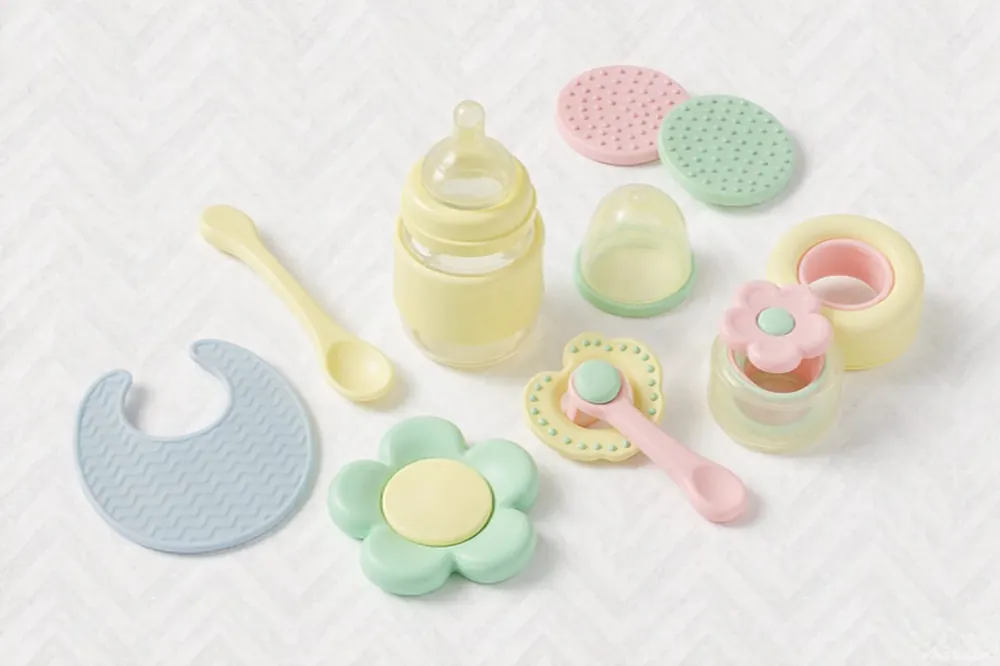
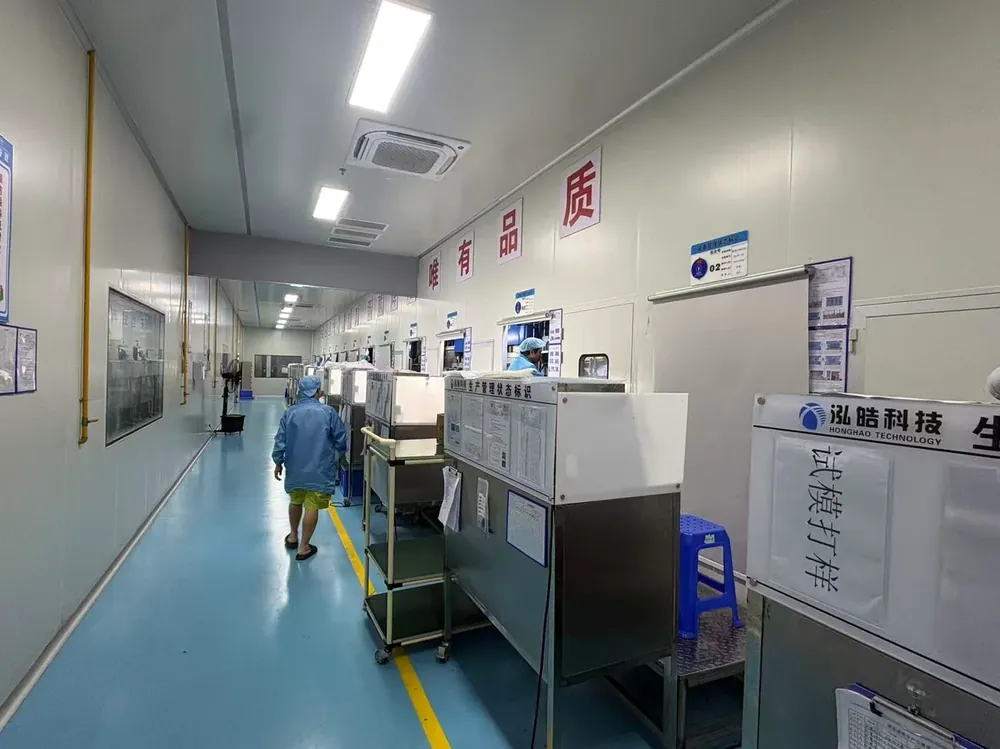
The challenge this part presents: soft, biocompatible components for breathing-therapy interfaces must stay consistent and traceable under medical-grade process control. How we approach it: medical-grade platinum-cured silicone molded in a controlled cleanroom, with full batch traceability from raw material to shipment so every lot can be audited.
The challenge this part presents: dust-resistant protective covers and tactile keypads need a precise fit and a premium matte finish — where even a fraction of a millimetre off would break the sealed fit. How we approach it: tight-tolerance compression molding with ±0.1 mm dimensional control, and a Shore 60–70A compound chosen for tactile response and wear resistance.

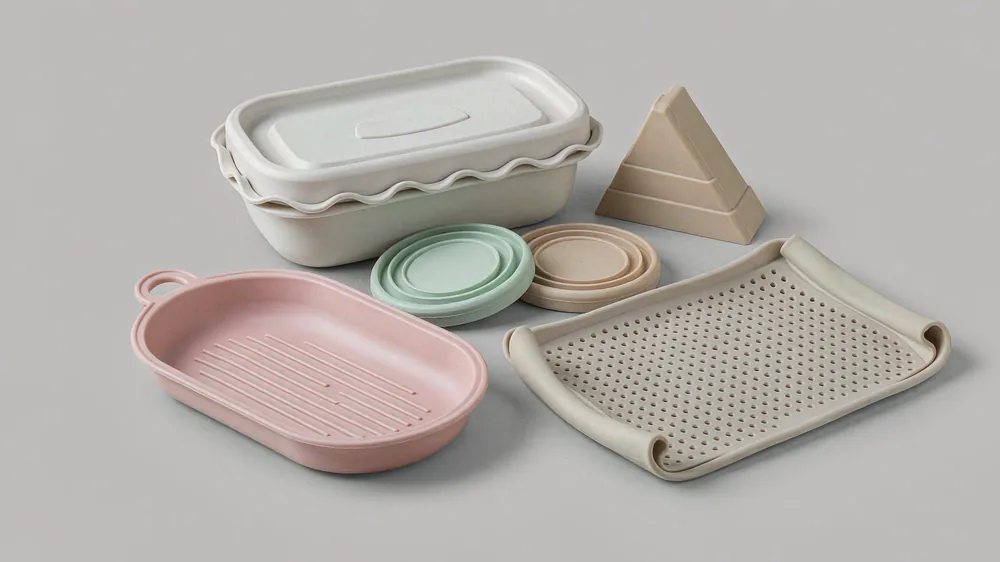
The challenge this part presents: a range of everyday household goods and promotional items — from kitchen tools to branded giveaways — must be delivered on strict retail timelines with full compliance and packaging control. How we approach it: multi-cavity compression tooling for cost-effective volume, retail-grade packaging QC, and on-time-delivery tracking across many SKUs.
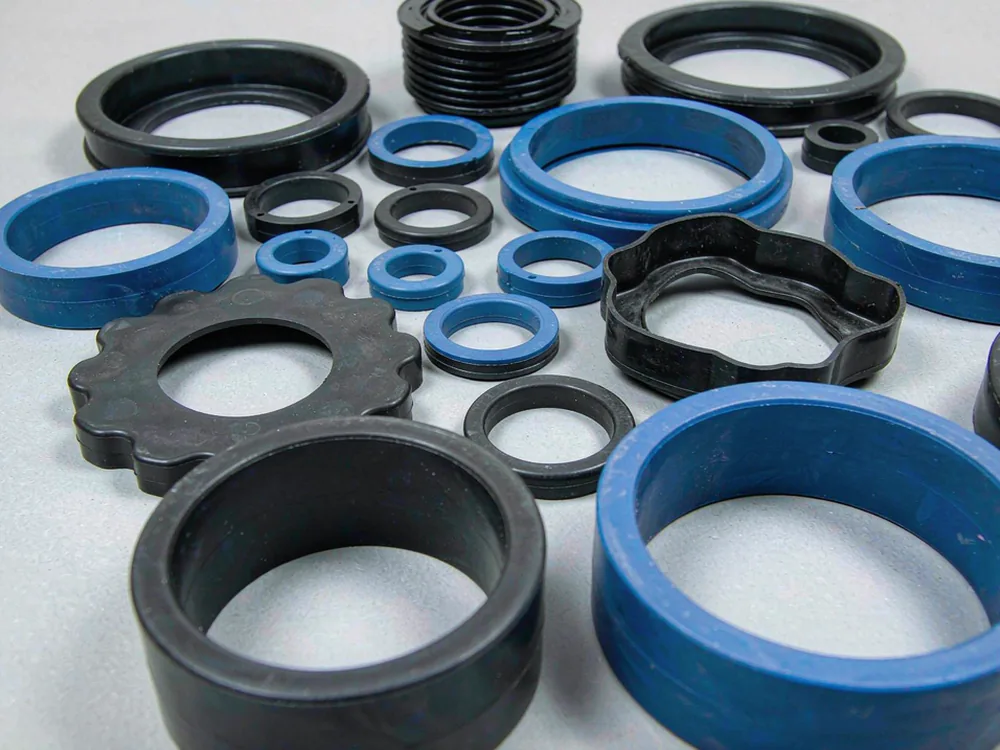
The challenge this part presents: silicone O-rings, gaskets and sealing rings must hold up under engine-compartment heat, oil and vibration — with tight dimensional control for automated assembly. How we approach it: a high-temperature, oil-resistant compound at Shore 60–70A, compression molded in multi-cavity tooling with ±0.01 mm cavity tolerance and per-batch temperature verification from -40 °C to +230 °C.
The challenge this part presents: precision silicone tubing and molded connectors for a fluid-delivery application demand biocompatibility, dimensional consistency and full lot traceability. How we approach it: extrusion for the tubing, LSR injection for the connectors, cleanroom assembly, and medical-grade platinum-cured silicone tested to USP Class VI / ISO 10993 with full lot traceability and a certificate of conformance.
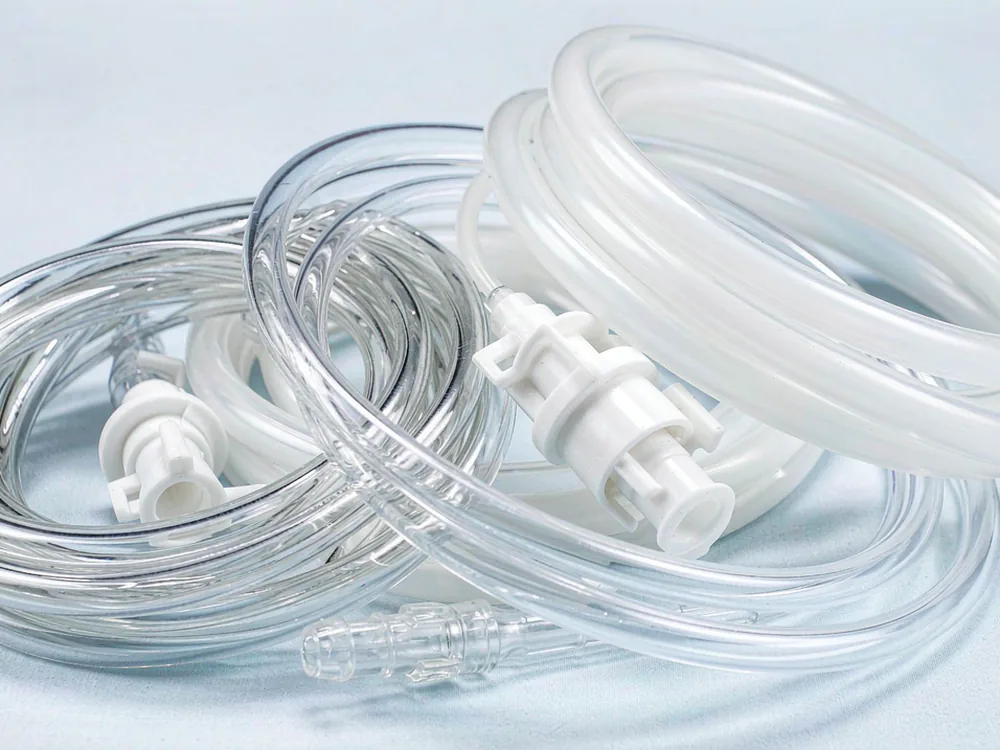
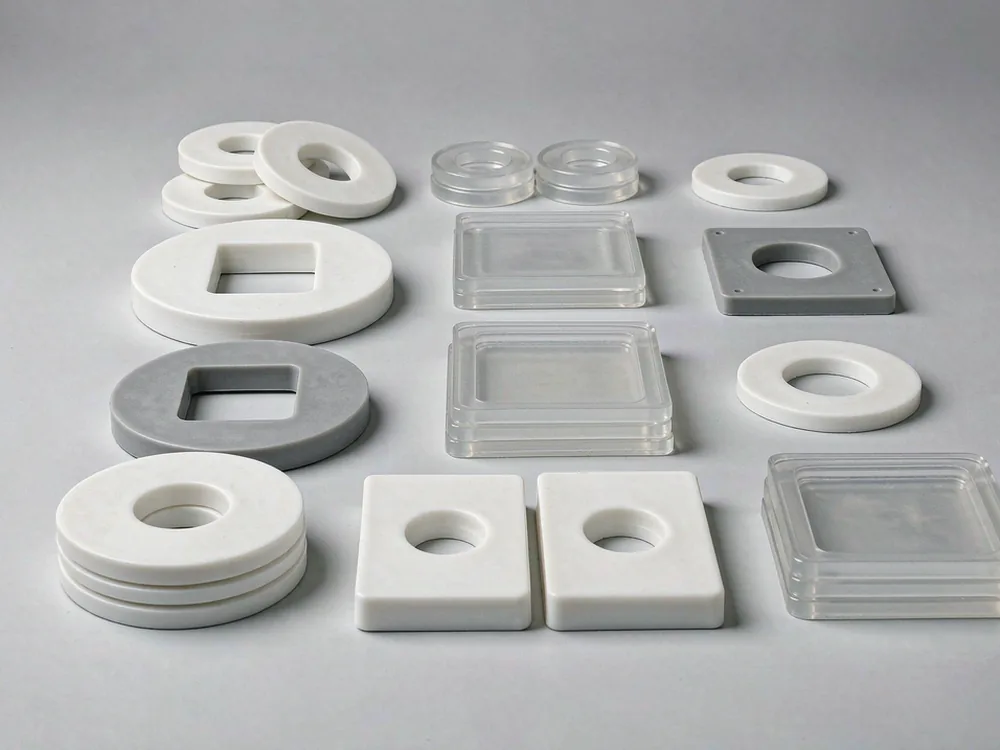
The challenge this part presents: flat washers, gaskets and thick sealing pads need consistent thickness and clean edges for high-volume assembly across multiple enclosure sizes. How we approach it: multi-cavity compression molding with tight thickness control, clean-trimmed edges, and dimensional plus hardness inspection on every batch for reliable automated assembly.
On this page, Part 1 is a documented engineering case using measured data from an internal capability study; Part 2 is a set of representative engineering applications that are illustrative and anonymized — they describe our process, not completed client orders. Every project we run is protected by NDA — drawings, samples, tooling, molds and brand information remain confidential from first contact to delivery and beyond.
For qualified projects we can, with client approval, arrange a reference discussion or provide additional capability details on request.
Tell us your product use, material and quantity — we will recommend a process and quote from your drawings, sample or idea.
Start Your Case Study