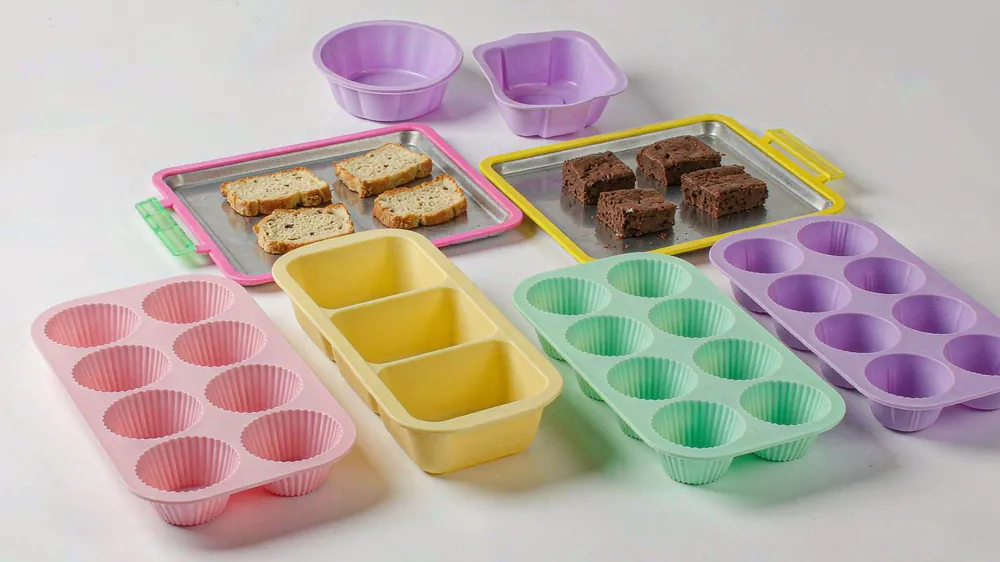
Silicone bakeware’s two big selling points are easy release and even baking. Both come down to the compound, the cavity finish and the wall thickness. This guide walks through the specs that separate a bakeware line that lasts from one that warps and stains.
Oven Temperature and the “230°C” Number
Food-grade silicone bakeware is rated for continuous use up to about 230°C (446°F). That covers cake, muffin and bread baking. The key is the compound’s post-cure — a properly post-cured part releases fewer volatiles and resists odour pickup, which is why a cheap mold can smell “burnt” after a few uses.
Mold Release Without Greasing
The natural non-stick behaviour of silicone means most cakes release cleanly, but the cavity polish decides how well. A mirror-polished cavity gives a glossy cake surface and easy release; a rough cavity grabs batter and stains faster. Ask your supplier about cavity polish grade before you commit.
Wall Thickness and Warping
Thin walls flex too much and warp in the oven; thick walls bake unevenly. Most bakeware sits at 2–4 mm wall thickness, with a reinforced rim so the mold holds its shape when filled and lifted. A rim roll or a stiffening flange at the top edge is the difference between a mold that keeps its shape and one that folds under its own weight.
| Spec | Recommendation | Notes |
|---|---|---|
| Compound | Food-grade, post-cured | Less odour, less staining |
| Oven rating | to 230°C | Continuous-use rating |
| Wall thickness | 2 – 4 mm | Balances flex and even baking |
| Cavity finish | Mirror polish | Easy release, glossy surface |
| Rim | Rolled / flanged | Prevents warping |
| MOQ | from 500 pcs | Per shape and colour |
Quality Control That Prevents Returns
Bakeware returns are almost always about staining, odour or warping. At CYES we batch-test for extractables and heavy metals on the finished part, run a bake simulation to check for warping, and inspect every cavity for surface defects before release. Request these test reports from your supplier — a food-grade compound alone does not make a food-grade finished mold.
Post-cure, cavity polish and a stiffened rim — those three manufacturing details do more for bakeware quality than the compound label on the box.
For the full picture, see silicone kitchenware manufacturing, or request a bakeware quote.
More bakeware in Our Catalog
Beyond the products above, we mold these bakeware types for brands — add any to your quote or request a sample.
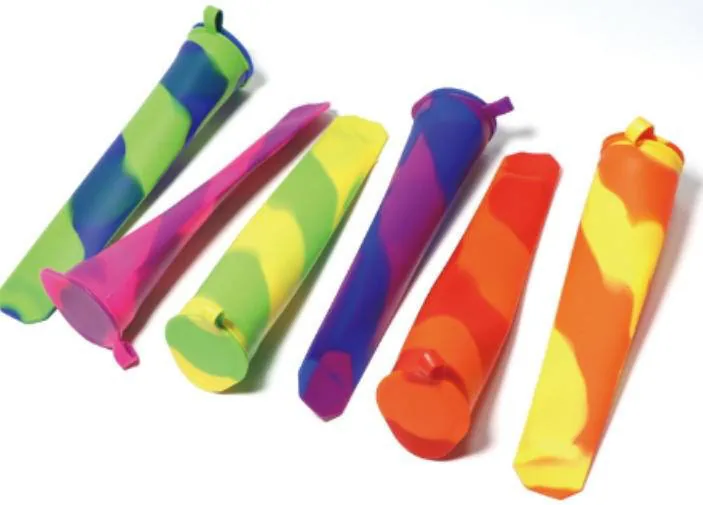
Silicone Ice Popsicles Mold
Molds for homemade ice pops in custom shapes.
Silicone Ice Cube Trays
Flexible trays with easy-release cubes and custom cavity shapes.
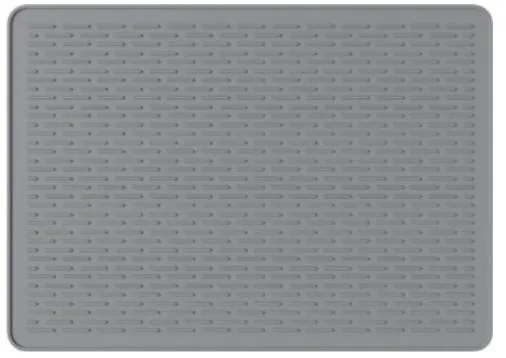
Silicone Mats
Non-stick baking mats, household mats and kitchenware liners.
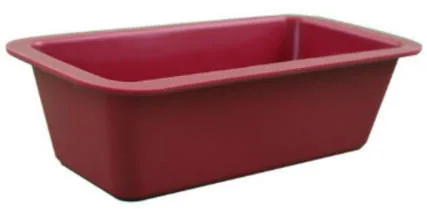
Silicone Cake / Toast / Biscuit Mould
Multi-purpose molds for cakes, bread and biscuits.
Browse the full range on our kitchen storage & air fryer page, or request a quote.
About the author
FAN ZHI HU · Quality Manager, CYES SILICONE. Seventeen years in silicone quality control, Cpk and measurement systems — from incoming inspection and in-process checks to capability studies and final release. Notes written from the shop floor, not from a content calendar.