Perimeter / Housing Gaskets
Continuous gaskets that follow the enclosure flange to seal the lid against the body against dust and water.
Custom silicone enclosure seals, housing gaskets and IP-rated sealing gaskets for electronics, enclosures and outdoor equipment — molded in-house from LSR and solid silicone with tight tolerances and verified compression set. OEM/ODM and private-label production.
A rigid gasket leaks the moment the mating surface is uneven; a silicone seal conforms and springs back. It keeps a consistent compression force across the flange, so the enclosure stays sealed through temperature swings, vibration and repeated opening.
We mold the perimeter gasket, the connector seals and the cable grommets as one coordinated program — so the sealing geometry, compression set and shut-off faces are engineered together rather than specified in isolation.
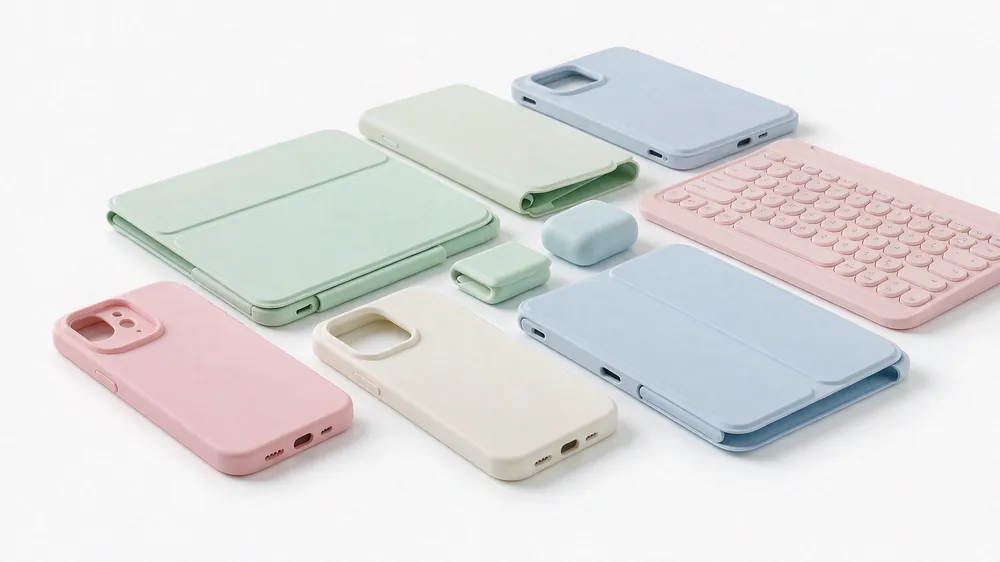
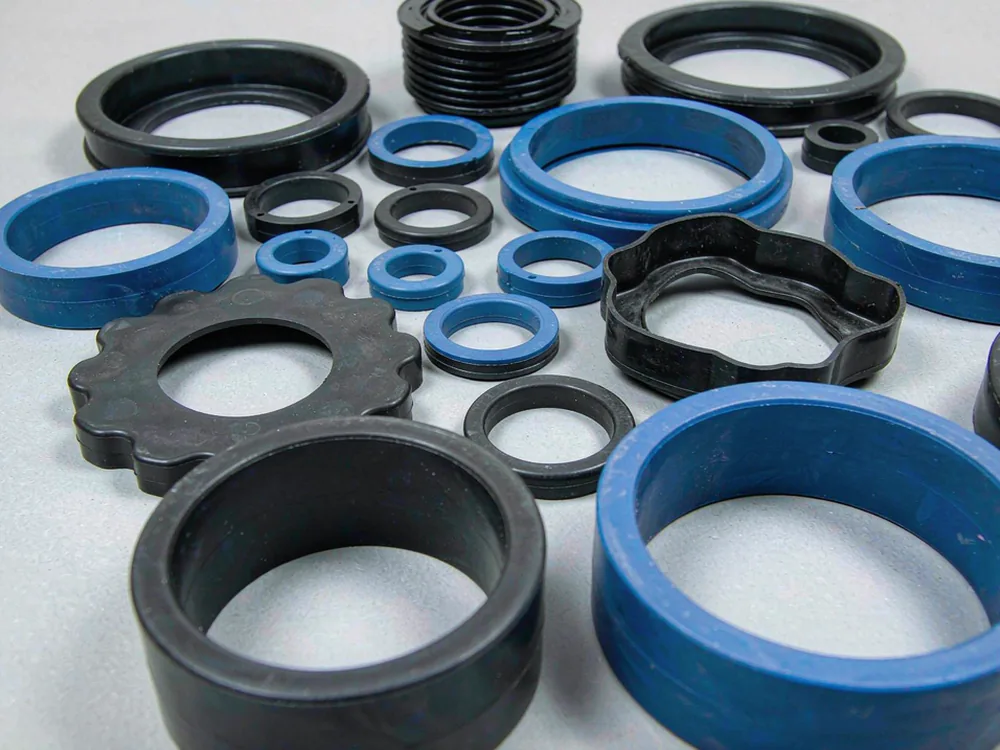
Application examples, not fixed stock items. Each seal is reviewed for geometry, compression and material grade.
Continuous gaskets that follow the enclosure flange to seal the lid against the body against dust and water.
Round and custom-profile cord seals for circular and rectangular grooves, sized to a controlled compression percentage.
Molded grommets that seal cable entry points and strain-relieve wires without compromising the IP rating.
Boots, plugs and port covers that keep USB, audio and power connectors clean and watertight.
Overmolded keypad and switch seals that keep dust and moisture out while allowing full actuation travel.
Sealing rings around pressure-equalizing vents and filters that let air pass while blocking water.
Low compression set means the seal springs back instead of taking a permanent set — the difference between a seal that lasts and one that leaks after a year.
Cavities are CNC-cut and mirror-EDM finished so shut-off faces seal cleanly — critical because LSR will flash into any gap under 0.005 mm.
Seals are designed to the target ingress-protection class, with the mating surface, compression and gland geometry reviewed in DFM.
Medical LSR seals are molded in the designated ISO Class 7 cleanroom area under ISO 13485; other precision seals follow project-specific controls outside that area.
The compound matters as much as the geometry. We select the grade against temperature range, chemical exposure and destination market, then document the path.
| Requirement | Questions to answer | What it helps define |
|---|---|---|
| Ingress protection | What IP class must the enclosure meet? | Seal profile, compression and gland design |
| Environment | Temperature range, chemicals, UV, outdoor? | Material grade and hardness |
| Mating surface | Flange flatness, fasteners, opening frequency? | Compression percentage and cross-section |
| Service life | How many open/close cycles over what lifetime? | Compression set and fatigue targets |
| Volume | Prototype, low-MOQ trial or production run? | Tooling route and cavity count |
Send a drawing or 3D file and an engineer reviews the gland geometry, compression and shut-off faces, then returns a written DFM report within 24 hours.
A soft-tool sample lets you check fit, compression and IP testing before you commit to steel.
A steel production mold follows sample approval; final lead time depends on cavity count and any conductive or overmolded features.
Send your enclosure drawing, target IP rating and operating environment so we can begin with the right questions.
Request a Quote Industrial RFQ →Standard and custom silicone sealing components.
Cases, wearables and device components.
Hoses, gaskets and vibration isolation.