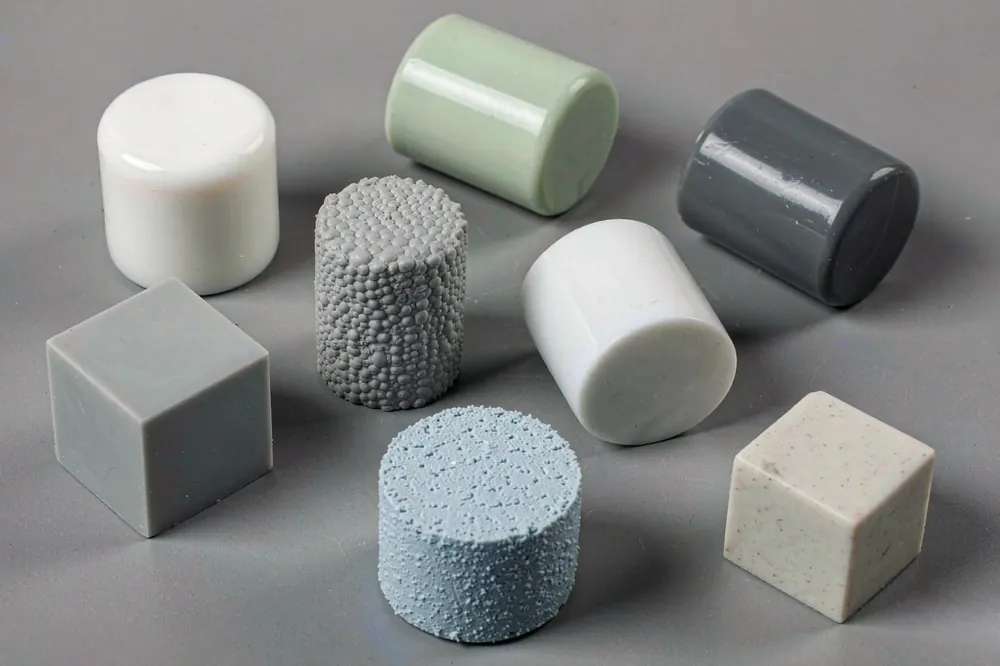
"USP Class VI" is the shorthand every medical silicone buyer looks for — but few know what it actually tests. Here is what the six tests measure, how Class VI relates to ISO 10993, and what documentation to demand.
What Is USP Class VI?
USP Class VI is a set of biological reactivity tests defined in the United States Pharmacopeia (USP <88> Biological Reactivity Tests). It is the highest of six plastic classes (I–VI) and is the level required for materials with prolonged or implant-adjacent body contact.
The Six Tests (Three Extracts × Two Routes)
Class VI testing extracts the material into three different media, then administers each extract through two routes. The result is six test conditions:
| Extract medium | Simulates | Routes tested |
|---|---|---|
| Systemic injection | Bloodstream contact | Intravenous + intraperitoneal |
| Intracutaneous injection | Tissue contact / irritation | Intracutaneous |
| Implantation | Long-term implantation | Implantation (e.g. intramuscular) |
Each extract is administered to test animals, and the reaction (erythema, edema, systemic toxicity) is scored against controls. A material passes Class VI when it produces no significant biological reactivity across all conditions.
USP Class VI vs ISO 10993
These are often confused, but they answer different questions:
- USP Class VI: a specific set of in vivo biological-reactivity tests on the material. It is a single, well-defined pass/fail.
- ISO 10993: a framework of many tests (cytotoxicity 10993-5, irritation 10993-10, sensitization 10993-10, etc.) chosen based on the device's contact duration and route. It is a risk-based panel, not one test.
In practice, medical silicone programs often require both: ISO 10993 panels for the device's regulatory file, and USP Class VI as a widely recognized material-level biocompatibility benchmark.
What Documentation to Request
- USP Class VI test report from an accredited lab (SGS, Intertek, TÜV, Nelson Labs), lot-linked to the production material.
- ISO 10993-5 cytotoxicity (the minimum for most device contact categories).
- Platinum-cure attestation — medical silicone should be platinum-cured, not peroxide-cured.
- Cleanroom record — ISO 14644-1 Class 7 or Class 8 particulate monitoring for the molding cell.
- IQ/OQ/PQ validation records for the tooling and process (per ISO 13485).
See how CYES documents medical capability on our medical components page and quality documents.
Class Levels at a Glance
| Class | Typical use |
|---|---|
| Class I–IV | Limited or no body contact |
| Class V | Short-term / surface contact |
| Class VI | Prolonged, invasive or implant-adjacent contact |
Need a Class VI silicone component? Discuss your medical project — we'll map the exact biocompatibility documentation you need.